
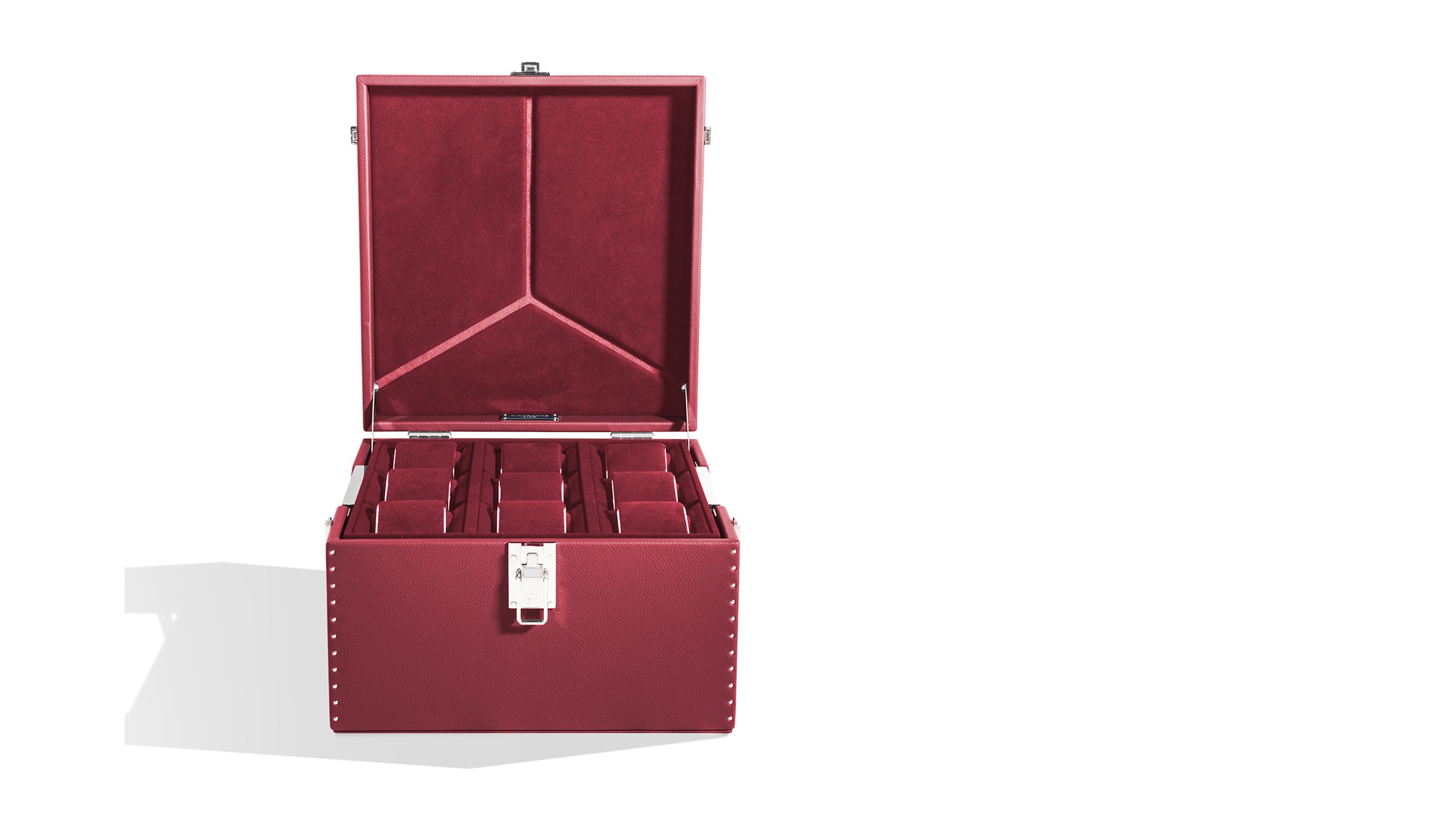
T18 Watch
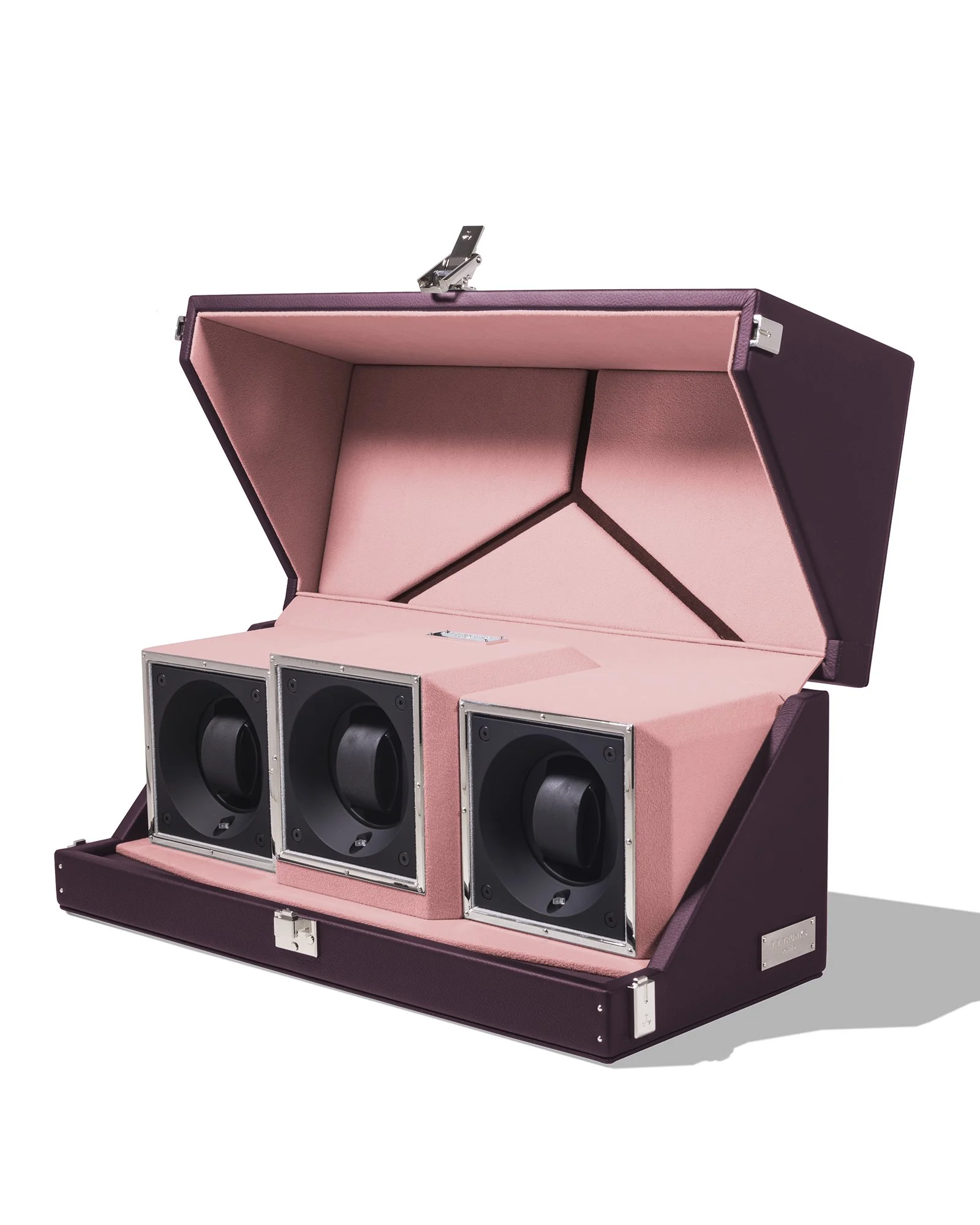
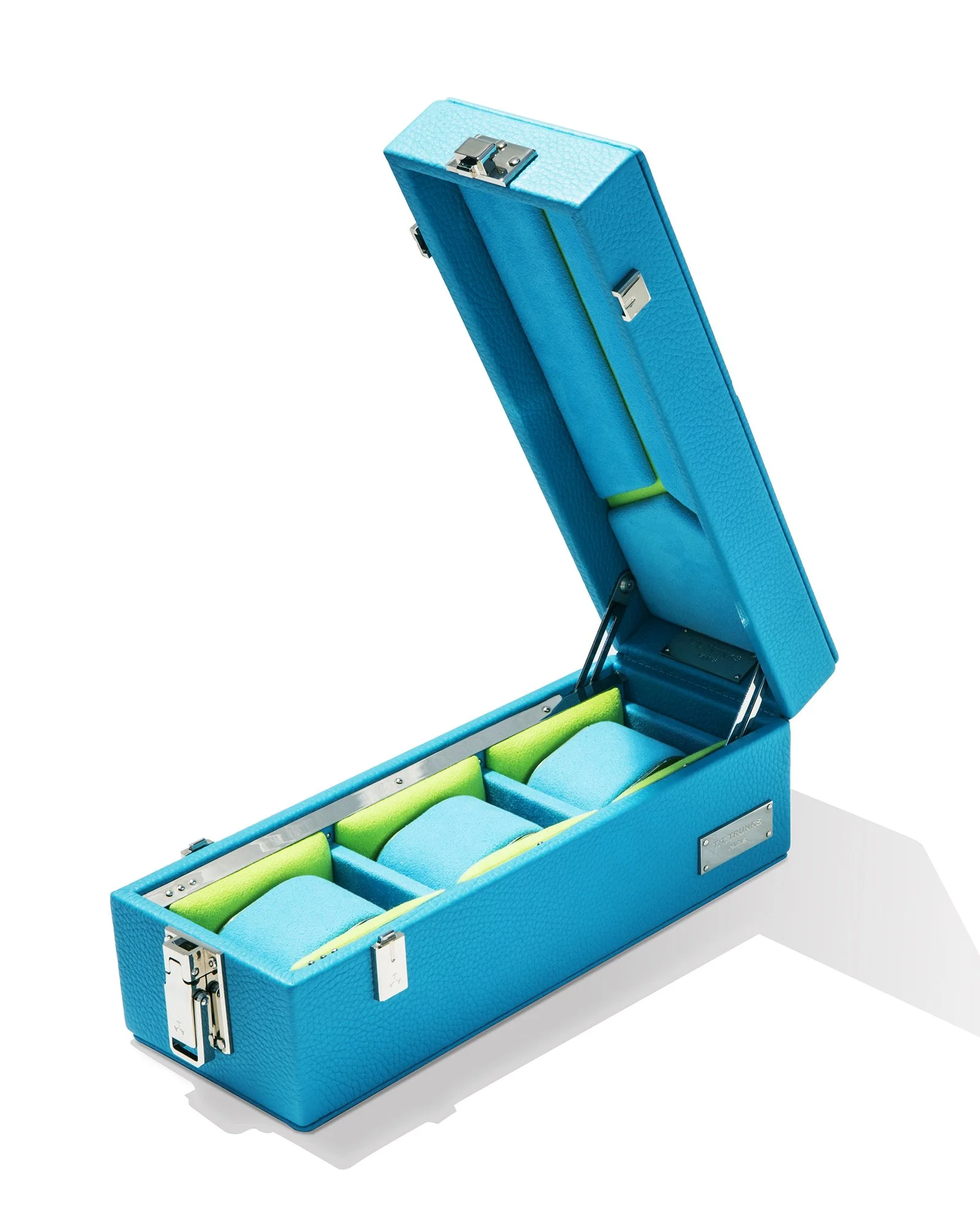
Tout collectionneur de belles pièces horlogères se ravira de posséder un écrin délicat à la hauteur de ses montres.
Tel un semainier, ce coffret au design contemporain permettra d'ordonner avec précision, et de faciliter l'appairage de sa tenue vestimentaire avec sa sélection horlogère au quotidien.
Any collector of fine timepieces will be delighted to own a case that matches the standards.
Just like a weekly planner, this trunk with a sleek contemporary design will allow you to organize your timepieces with precision, making it easier to find the one that matches best your outfit of the day.
Tout pour l'appairage/ Everything for the pairing
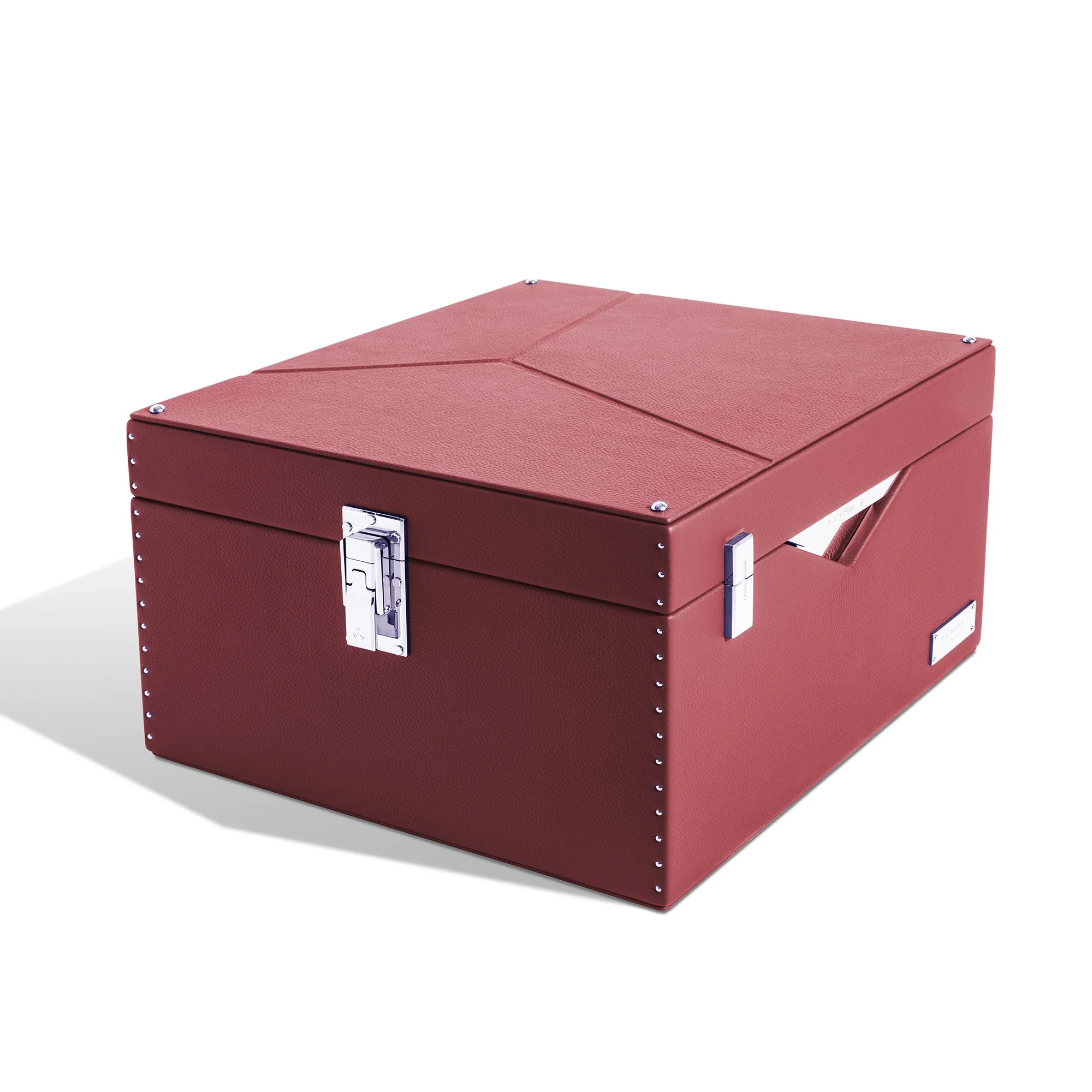
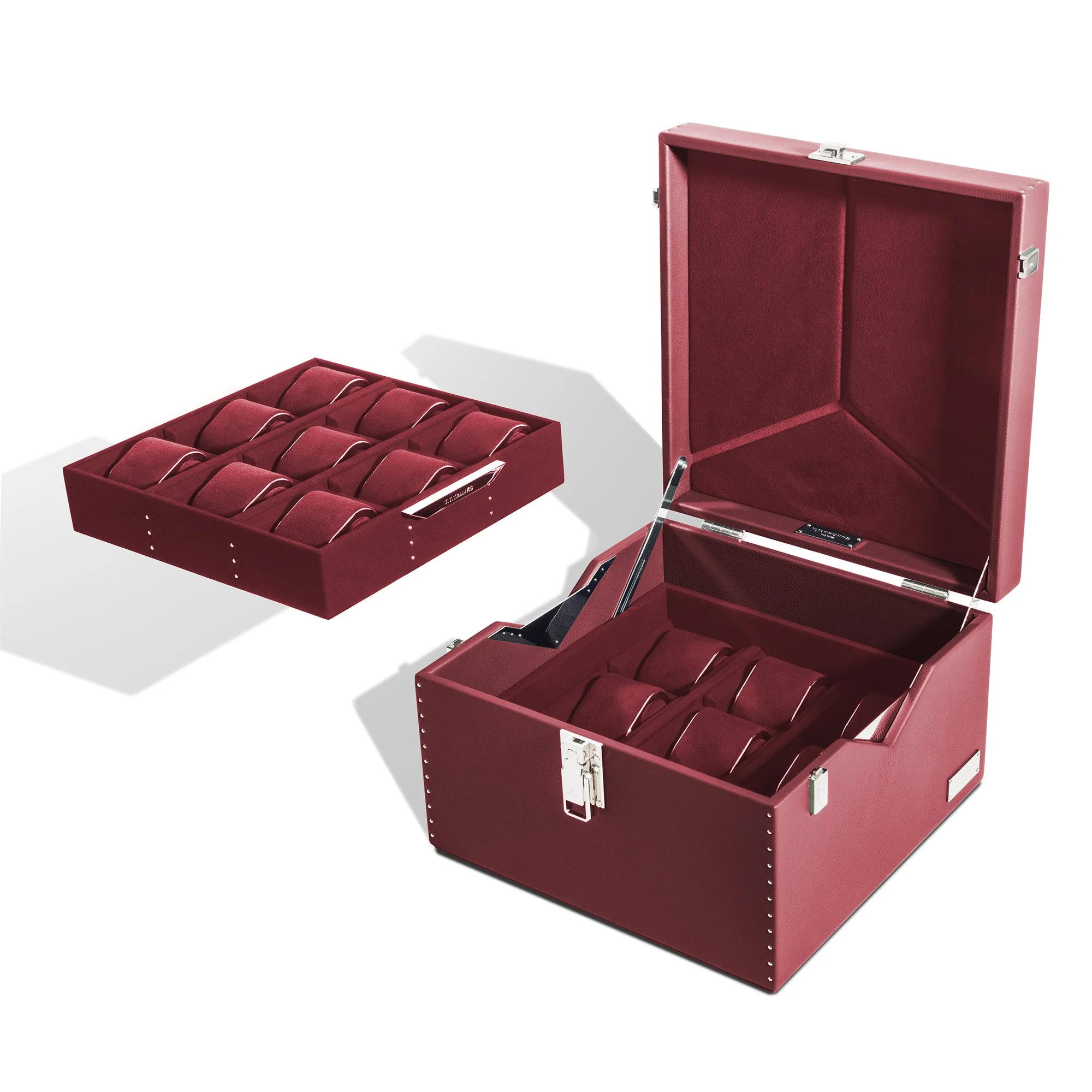
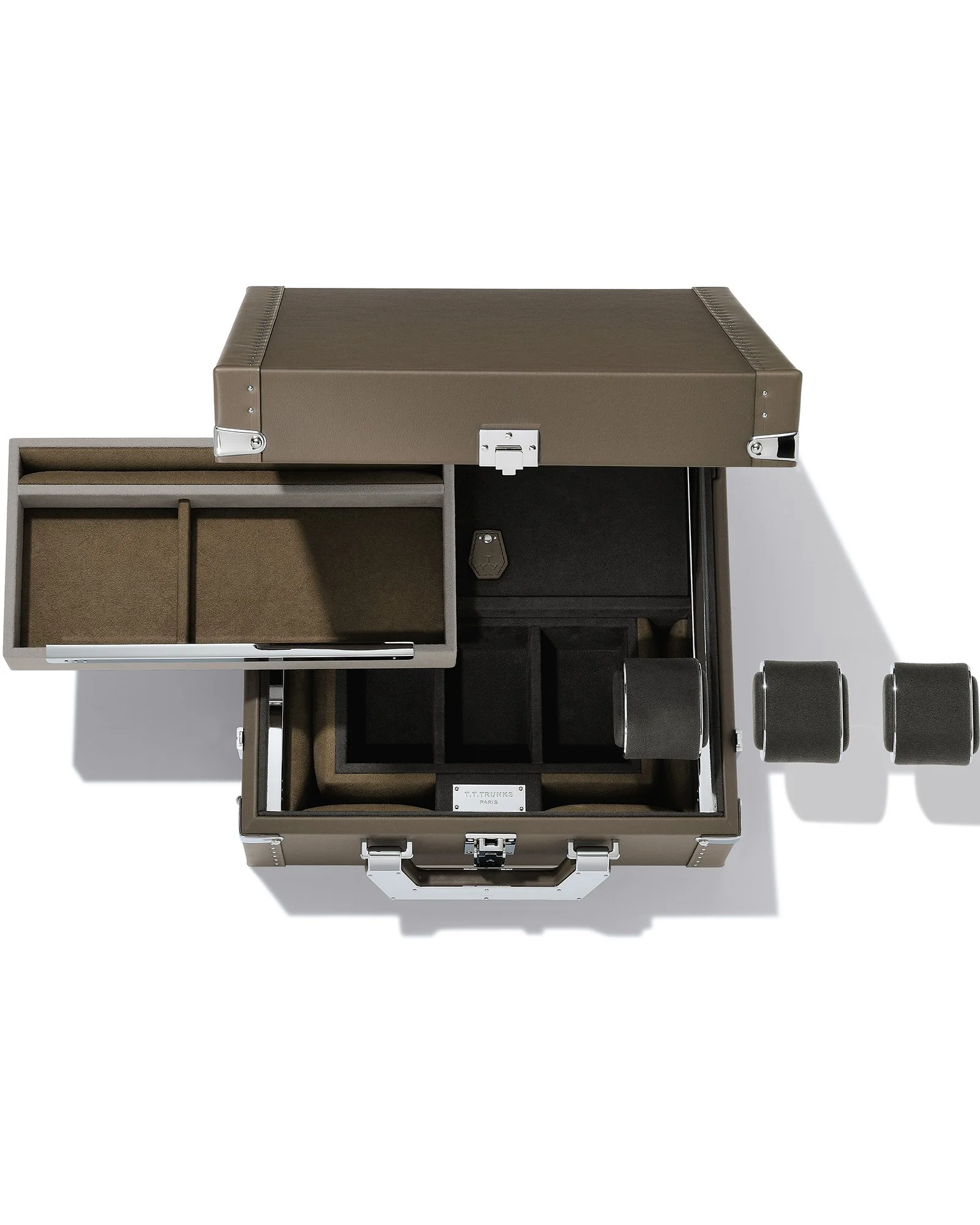
- 18 logements moussés pour montres sur rouleaux, dont 9 sur plateau amovible
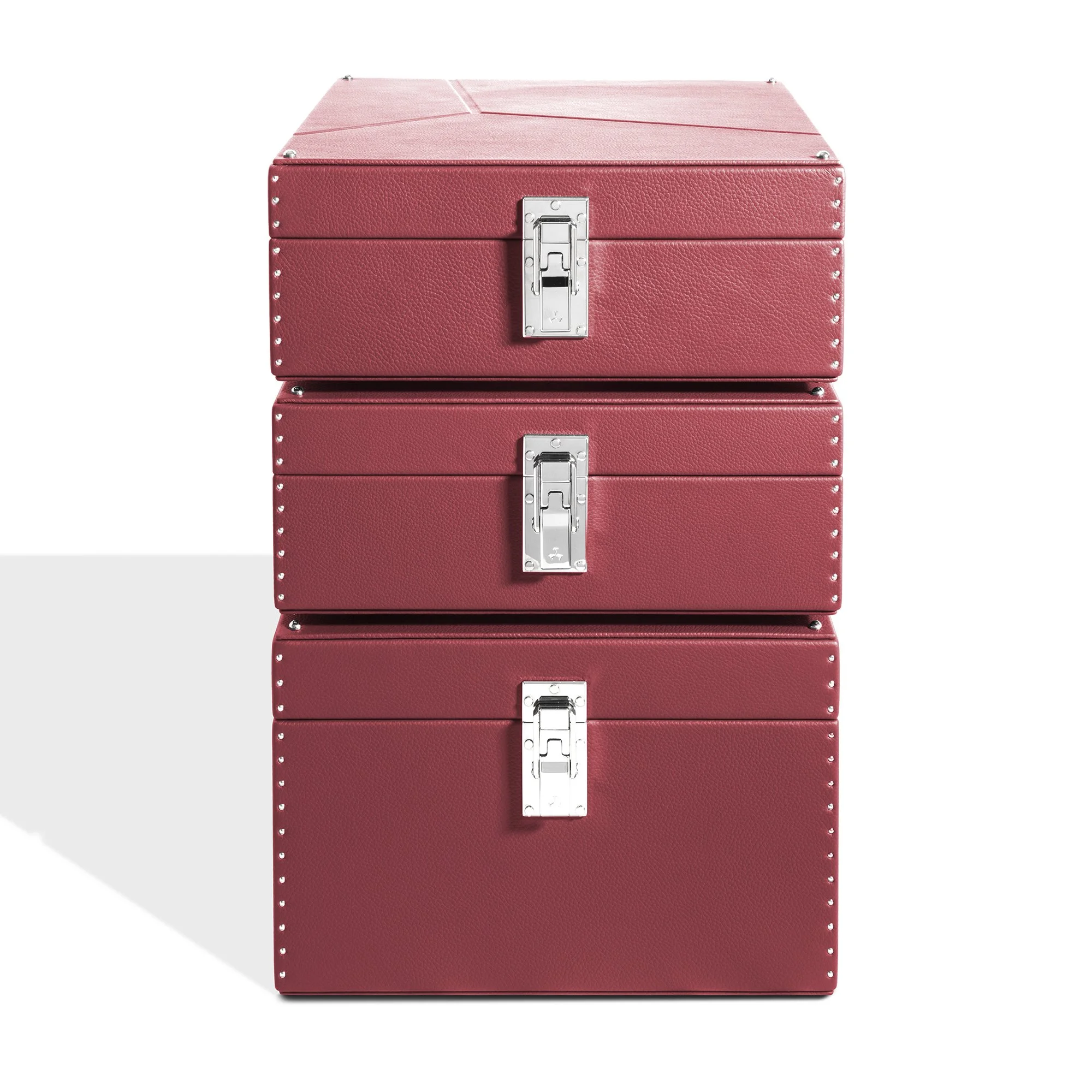
- Conçu pour s'empiler avec la T9 Watch : ce semainier double votre capacité sans rompre l'unité visuelle
- 18 padded spaces for watch rolls, including nine on a removable tray
- Designed to stack with the T9 Watch: this weekly planner doubles your capacity without breaking visual unity
L'Aiguille rétrogradeThe Retrograde Hand
L'aiguille rétrograde repose sur un système d'affichage non circulaire. L'aiguille n'effectue pas un tour complet, mais un trajet d'un point A à un point B. Une fois la mesure de A à B achevée, elle retourne en arrière au point A, d'où le nom de « rétrograde ». Cet affichage peut s'appliquer à presque toutes les indications d'une montre : secondes, minutes, heures, date, jour de la semaine, ou même chronographe.
Le principe trouve ses racines au XVIIIe siècle, dans les horloges astronomiques, les calendriers mécaniques et les automates. Mais c'est Abraham-Louis Breguet qui, en 1794, transpose ce mécanisme à l'horlogerie portative pour afficher la date et l'équation du temps. La complication entre alors dans le vocabulaire des horlogers, sans pour autant s'imposer : le retour brutal de l'aiguille à son point de départ exige une mécanique délicate, où l'énergie doit être stockée pendant toute une heure pour être libérée en une fraction de seconde.
Il faudra attendre la fin du XXe siècle pour que la rétrograde retrouve les faveurs des grandes maisons. Audemars Piguet, Vacheron Constantin, Gérald Genta inscrivent à leur catalogue des montres à secondes, à minutes ou à dates rétrogrades. La voie d'aiguille, désormais un arc et non plus un cercle, devient une signature graphique autant qu'un défi de précision : à chaque fin de course, l'aiguille bondit en arrière, sans heurt, en un dixième de seconde.
The retrograde hand relies on a non-circular display system. The hand does not complete a full revolution, but travels from a point A to a point B. Once the measurement from A to B is achieved, it returns to point A, hence the name « retrograde ». This display can apply to nearly all the indications of a watch: seconds, minutes, hours, date, day of the week, or even the chronograph.
The principle finds its roots in the eighteenth century, in astronomical clocks, mechanical calendars and automata. But it was Abraham-Louis Breguet who, in 1794, transposed this mechanism to portable horology to display the date and the equation of time. The complication then entered the vocabulary of watchmakers without quite imposing itself: the abrupt return of the hand to its starting point demands a delicate mechanics, in which energy must be stored throughout an entire hour to be released in a fraction of a second.
It would take until the end of the twentieth century for the retrograde to regain the favour of the great houses. Audemars Piguet, Vacheron Constantin, Gérald Genta added to their catalogues watches with retrograde seconds, minutes or dates. The path of the hand, now an arc rather than a circle, became a graphic signature as much as a challenge of precision: at every end of travel, the hand leaps back, smoothly, in a tenth of a second.
Quatre signatures chromatiques/ Four chromatic signatures
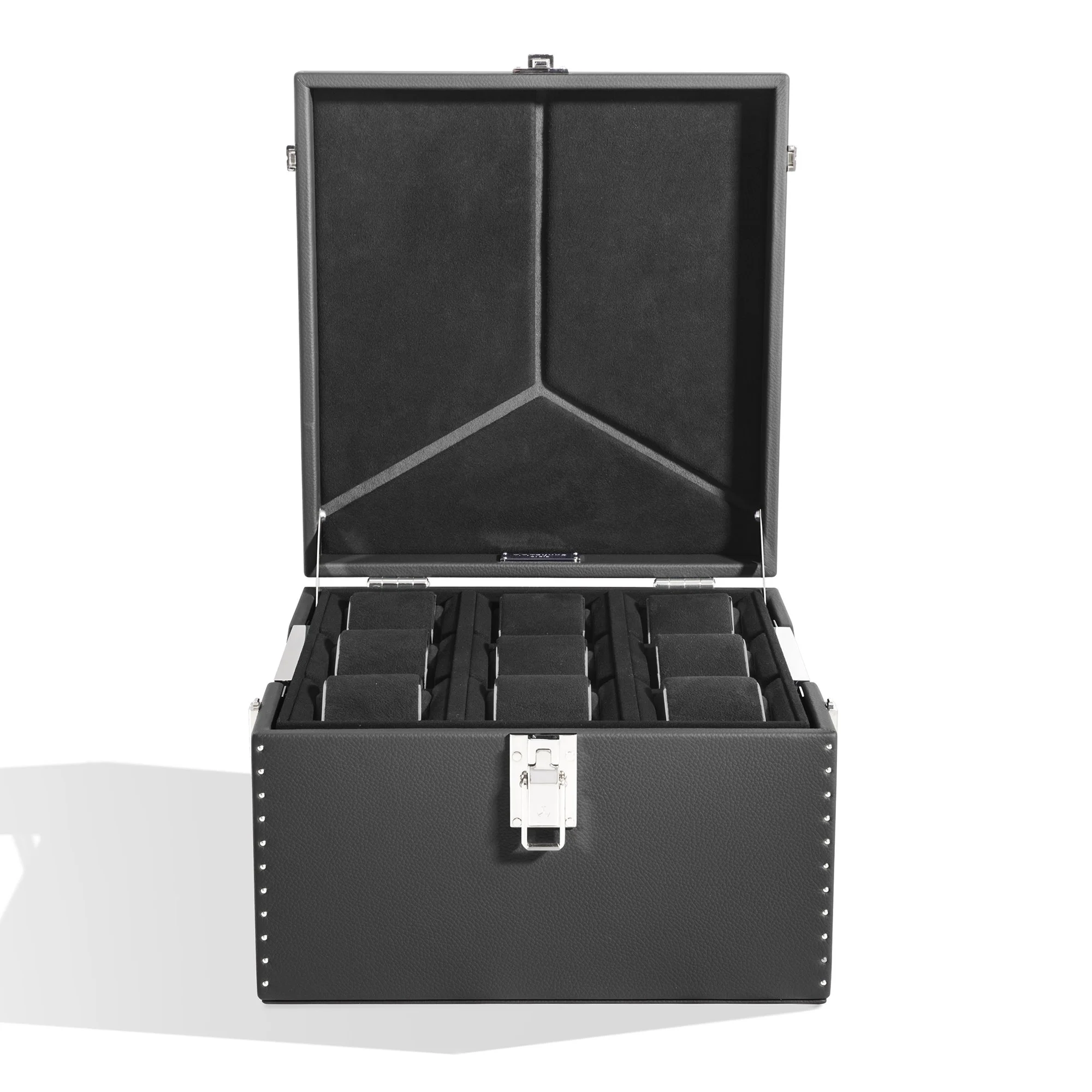
Noir
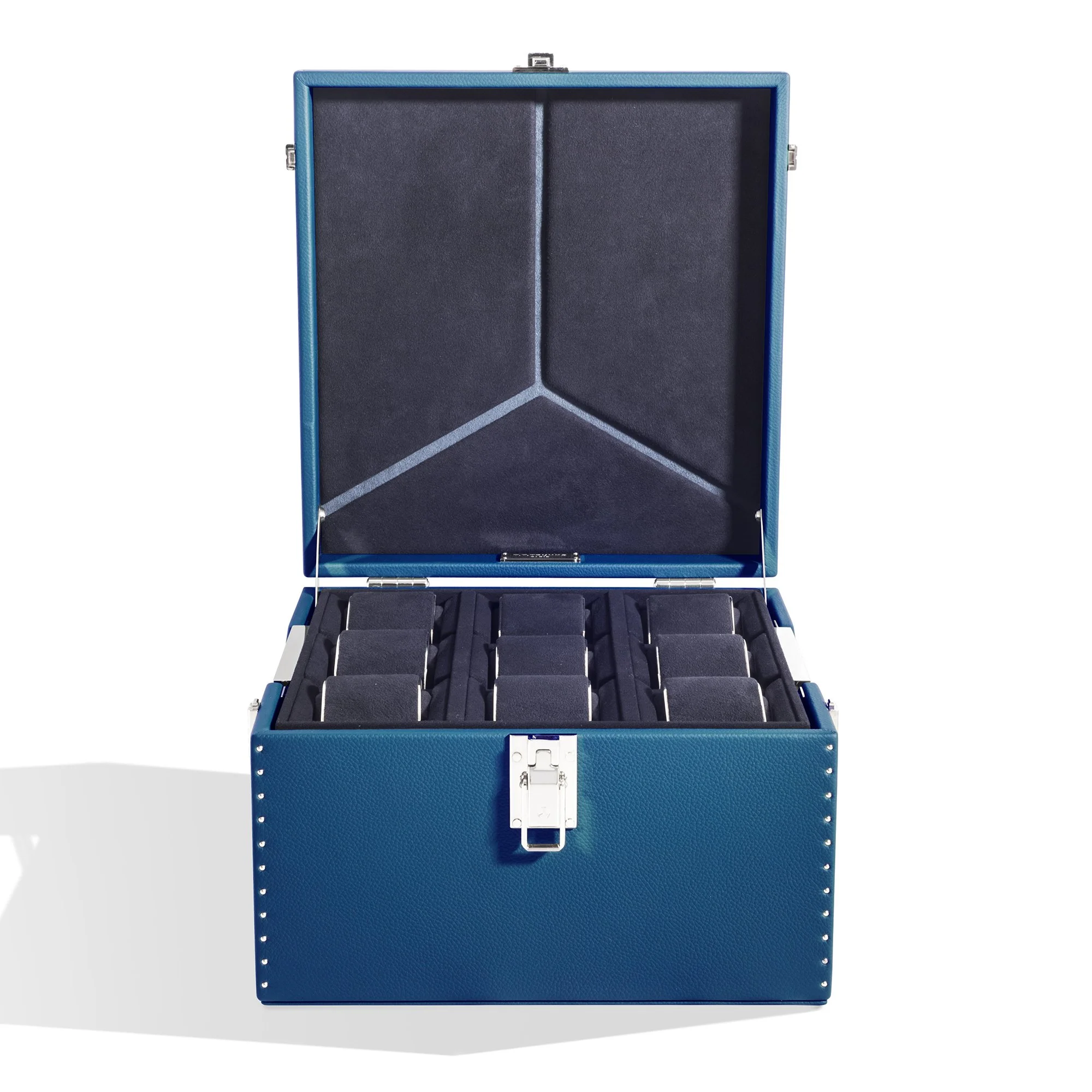
Bleu
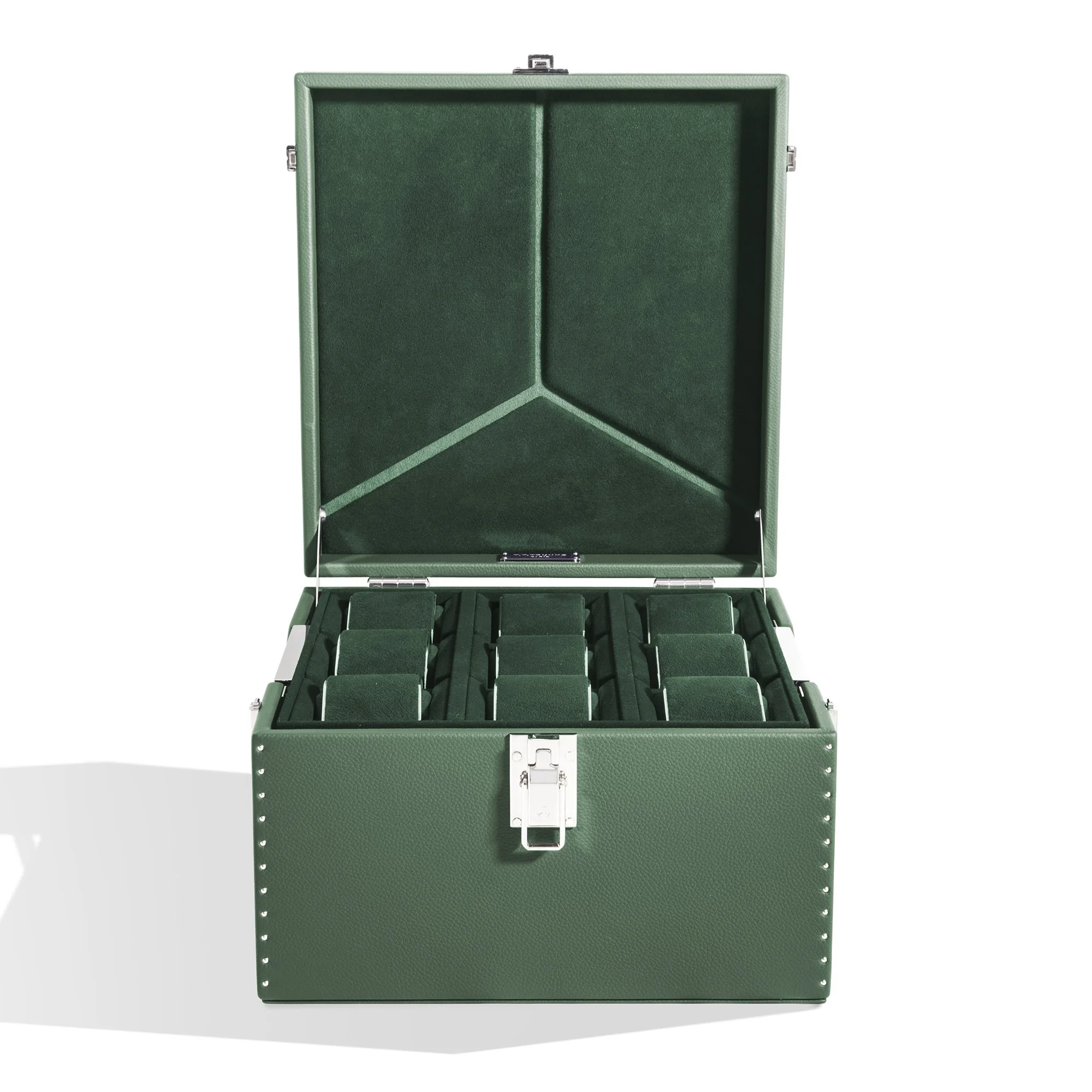
Forest
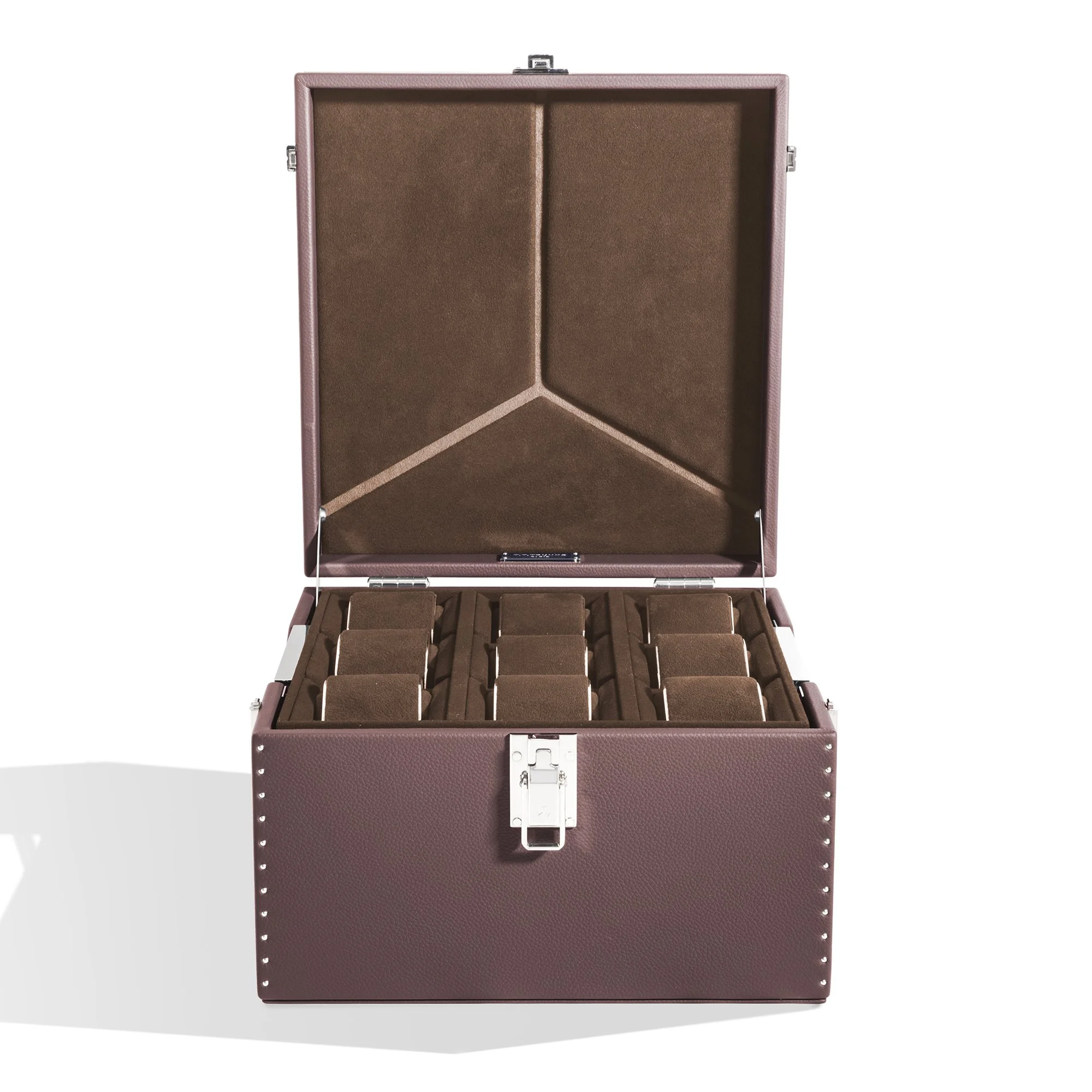
Marron
Une pièce à votre image/ A piece in your likeness
Donnons vie à votre vision/ Let's bring your vision to life