
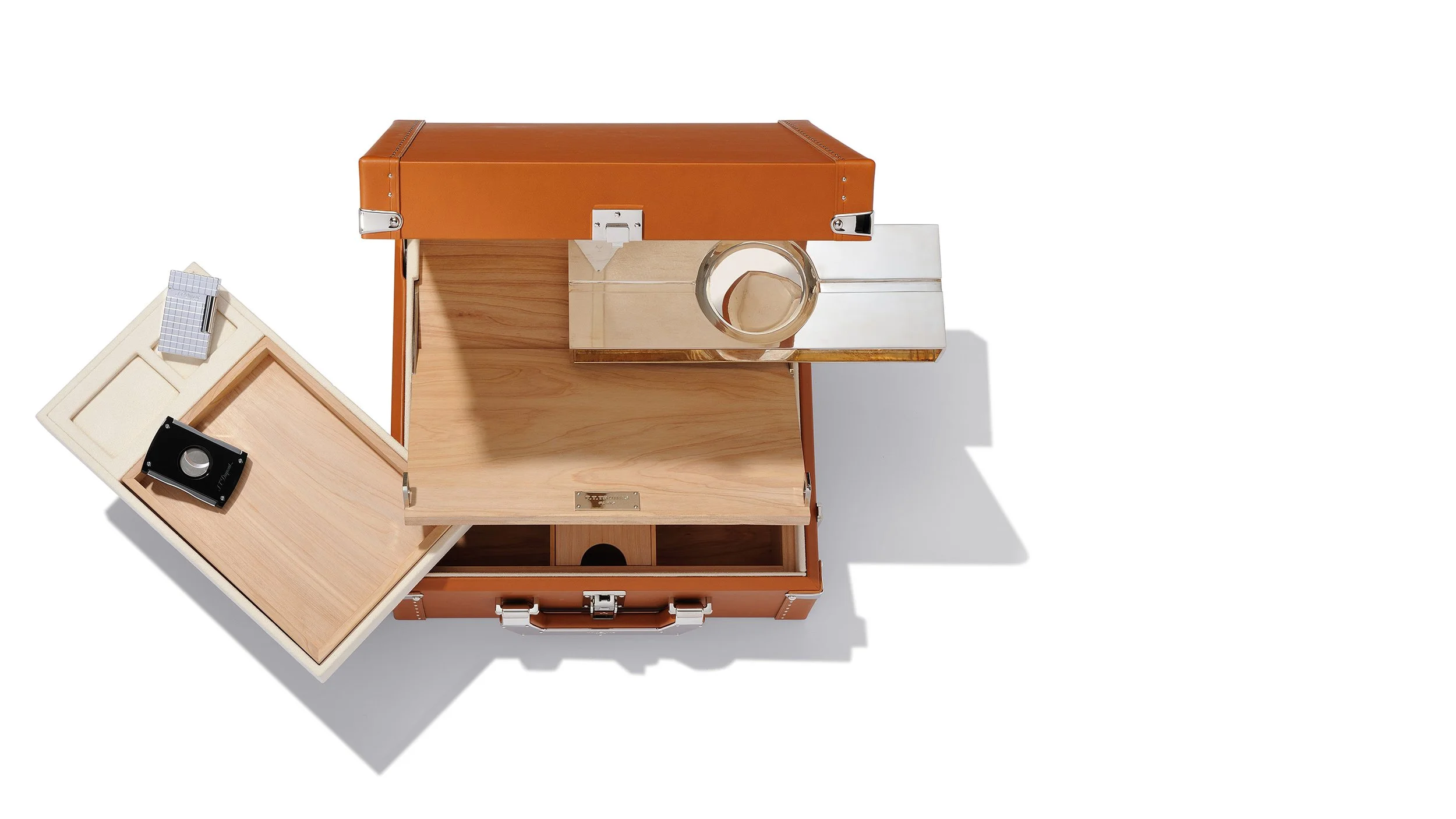
T16 Havana
La force des lignes, celles de la percussion des matières, de la massivité du cèdre espagnol et de l'orfèvrerie du cendrier.
Un hommage de la Manufacture T.T.Trunks aux manufacturiers du cigare.
La force également de celui qui détient une telle malle, qui sacralise les moments de dégustation et les volutes de fumée, qui sait apprécier la précision des détails d'un objet exceptionnel.
The strength of lines, the impact of noble materials, the massiveness of the Spanish cedar wood and the craftsmanship of the gold-plated ashtray.
A homage that T.T.Trunks pays to manufacturers of fine cigars.
The status of the owner of this case that sublimates the moments of tasting into ritualic events and can appreciate an exceptional object resulted from exceptional craftsmanship.

L'art de la dégustation/ The art of tasting
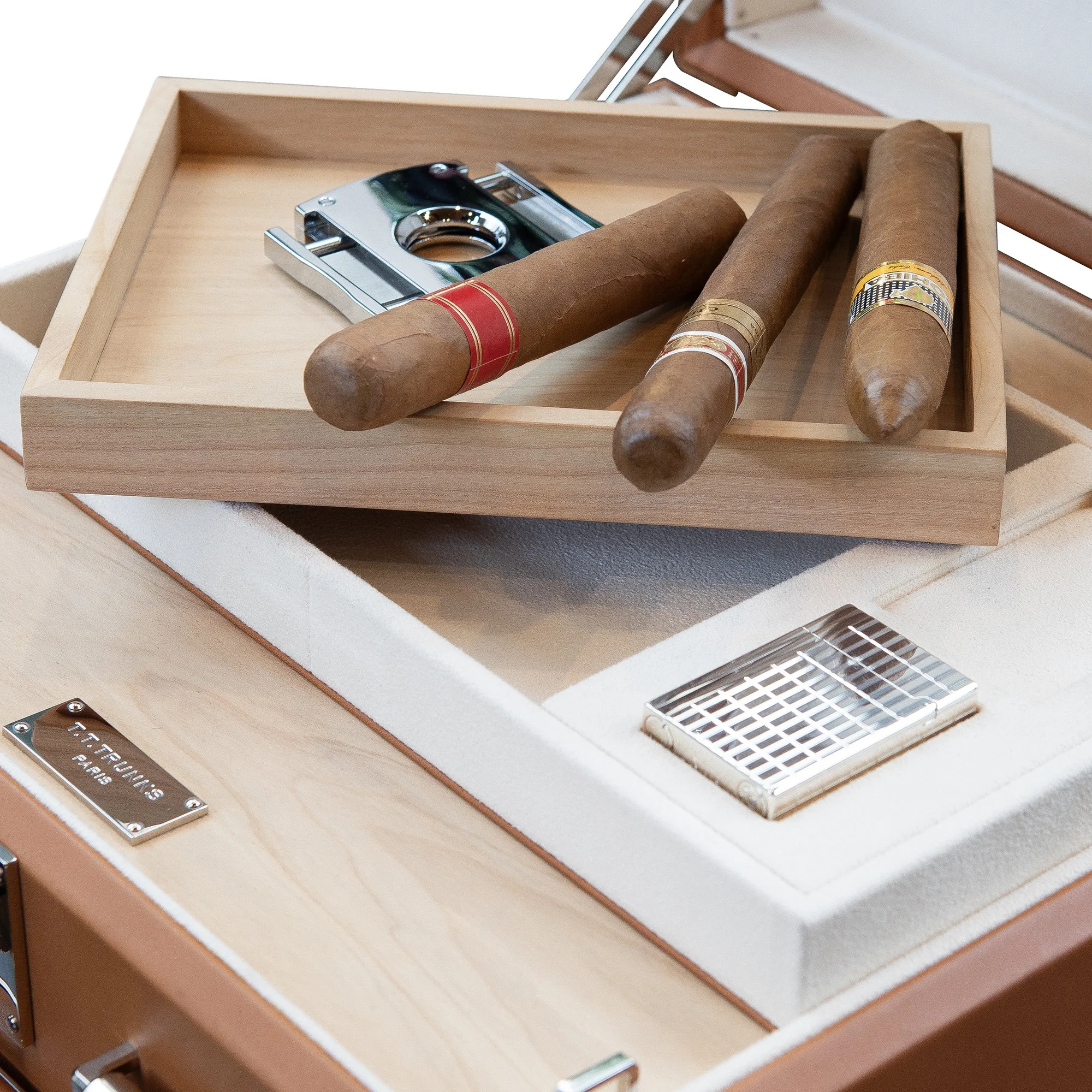
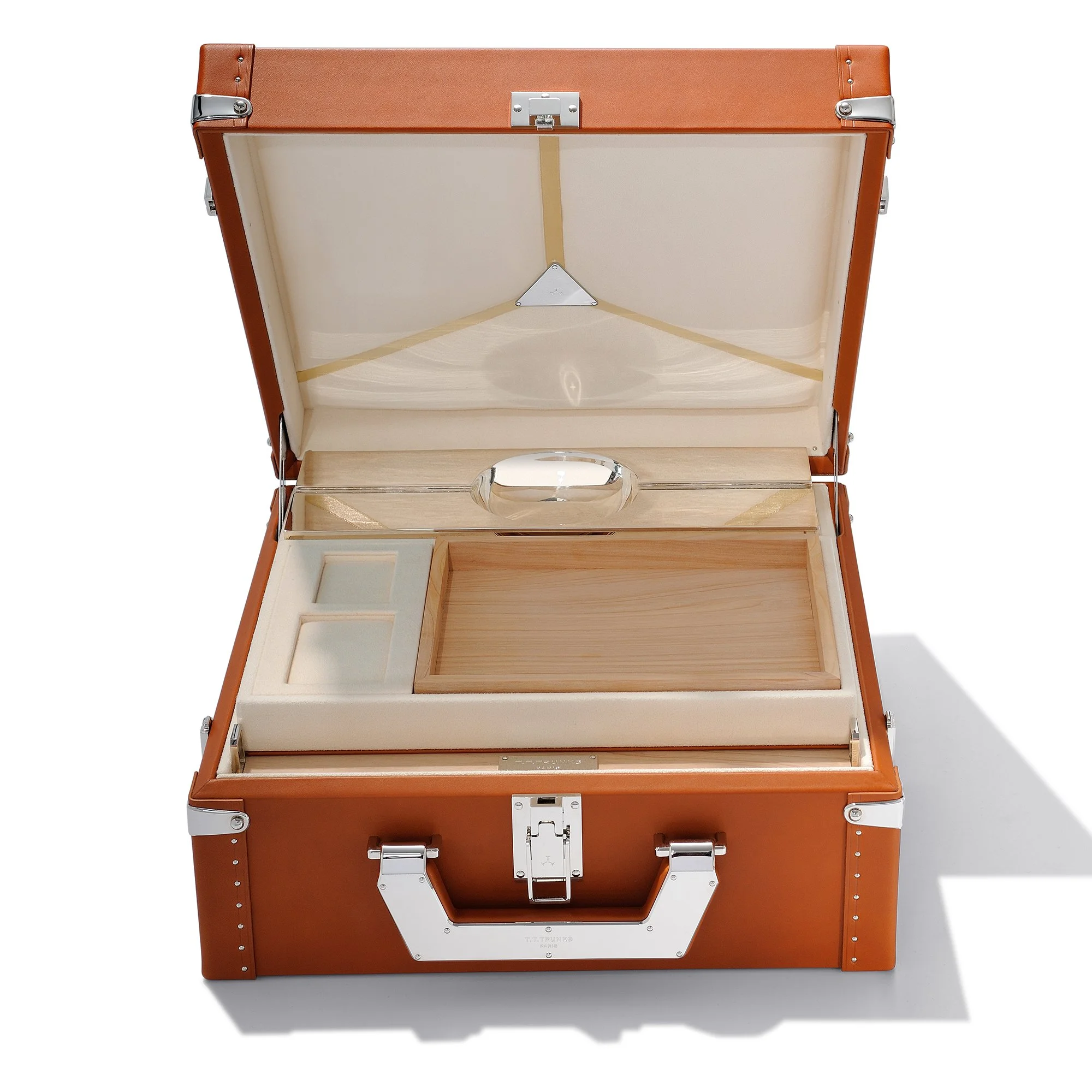
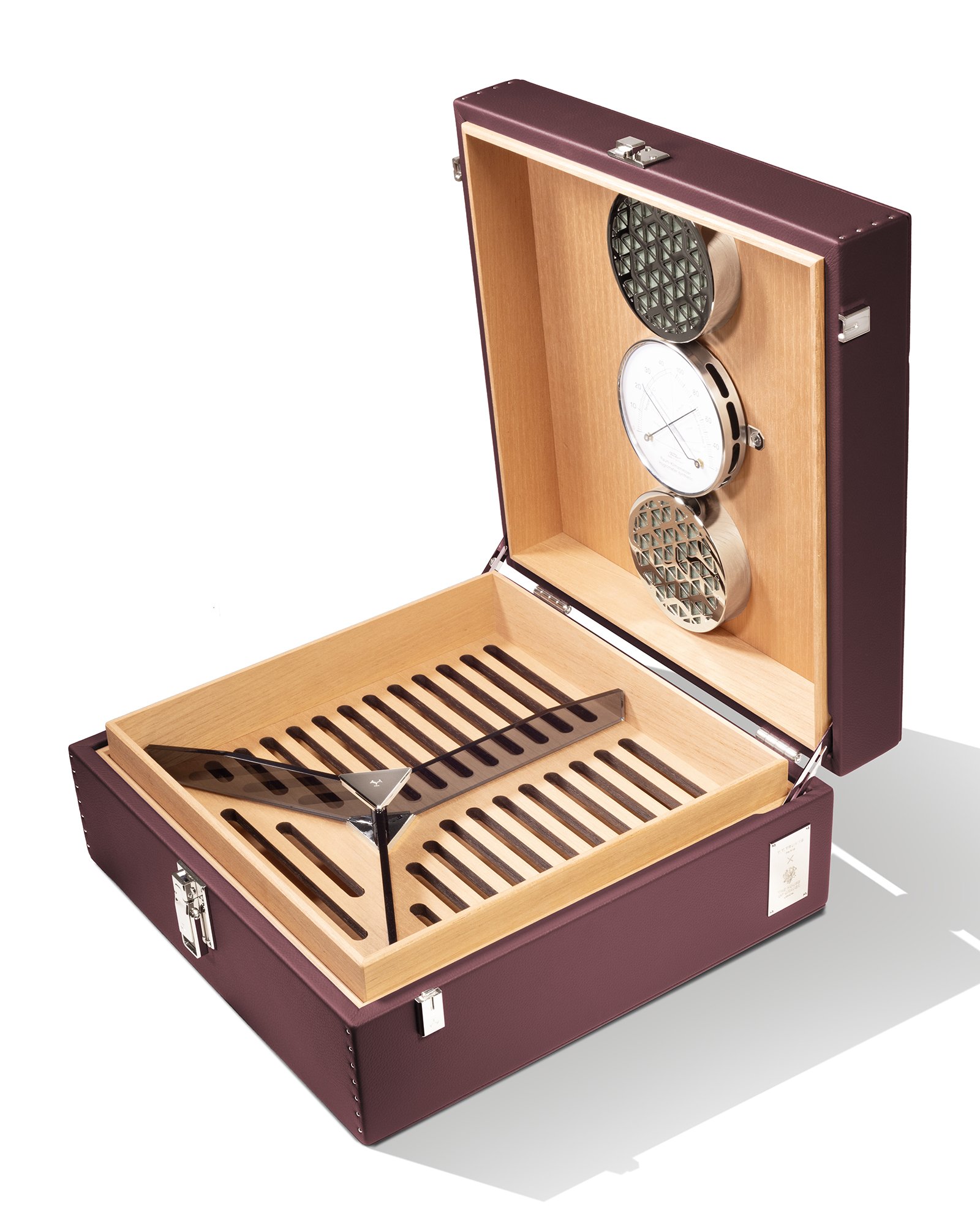
- Cave à cigares en bois de cèdre Espagnol massif (capacité 50-75 cigares)
- 1 Plateau de découpe avec accessoires inclus (briquet et coupe-cigare S.T.Dupont, cendrier d'orfèvre T.T.Trunks)
- Contrôle de l'hygrométrie par CigarSpa (autonomie 4-6 mois)
- Humidor in solid Spanish cedar wood for 50-75 cigars
- Two cutting trays with accessories: S.T.Dupont lighter and cigar cutter, T.T.Trunks goldsmith ashtray
- Hygrometry control by CigarSpa, with autonomy for 4-6 months
Le tabac, or et mytheTobacco, Gold and Myth
À l'état sauvage, il existe une soixantaine d'espèces de tabac appartenant au genre Nicotiana, de la famille des Solanacées, dont le taux de nicotine varie de moins de 1 % à 10 %. Mais le tabac cultivé est à 90 % de l'espèce Nicotiana tabacum, le reste étant de l'espèce Nicotiana rustica.
L'usage local remonterait à trois millénaires, mais l'archéologie semble attester que ce sont les Mayas qui, voyageant au Ve siècle, emportent le tabac avec eux. Son usage s'étend vers l'Amérique du Sud, où on le fume roulé dans des feuilles de maïs ou de palmier, et vers le nord, jusque dans la région du Mississippi, où les indigènes fabriquent des pipes en argile, en marbre ou avec des pinces de crabes. Au début du XVIe siècle, on trouve du tabac du sud du Brésil jusqu'au Canada. Il est intégré aux mythes de beaucoup de sociétés indiennes. Le tabac a aussi des fonctions agricoles : il sert d'insecticide et d'engrais. Séché, imputrescible, il sert de monnaie d'échange, comme les noix de cacao.
In the wild, there are around sixty species of tobacco belonging to the genus Nicotiana, of the Solanaceae family, whose nicotine content varies from less than 1% to 10%. But cultivated tobacco is 90% of the species Nicotiana tabacum, the rest being of the species Nicotiana rustica.
Local use is said to go back three millennia, but archaeology seems to attest that it was the Maya who, travelling in the fifth century, carried tobacco with them. Its use spread south to South America, where it was smoked rolled in maize or palm leaves, and north as far as the Mississippi region, where the natives made pipes from clay, marble, or crab claws. By the early sixteenth century, tobacco was found from the south of Brazil to Canada. It was integrated into the myths of many indigenous societies. Tobacco also had agricultural uses: it served as insecticide and fertiliser. Dried and imputrescible, it served as a currency of exchange, like cacao beans.
Quatre signatures chromatiques/ Four chromatic signatures
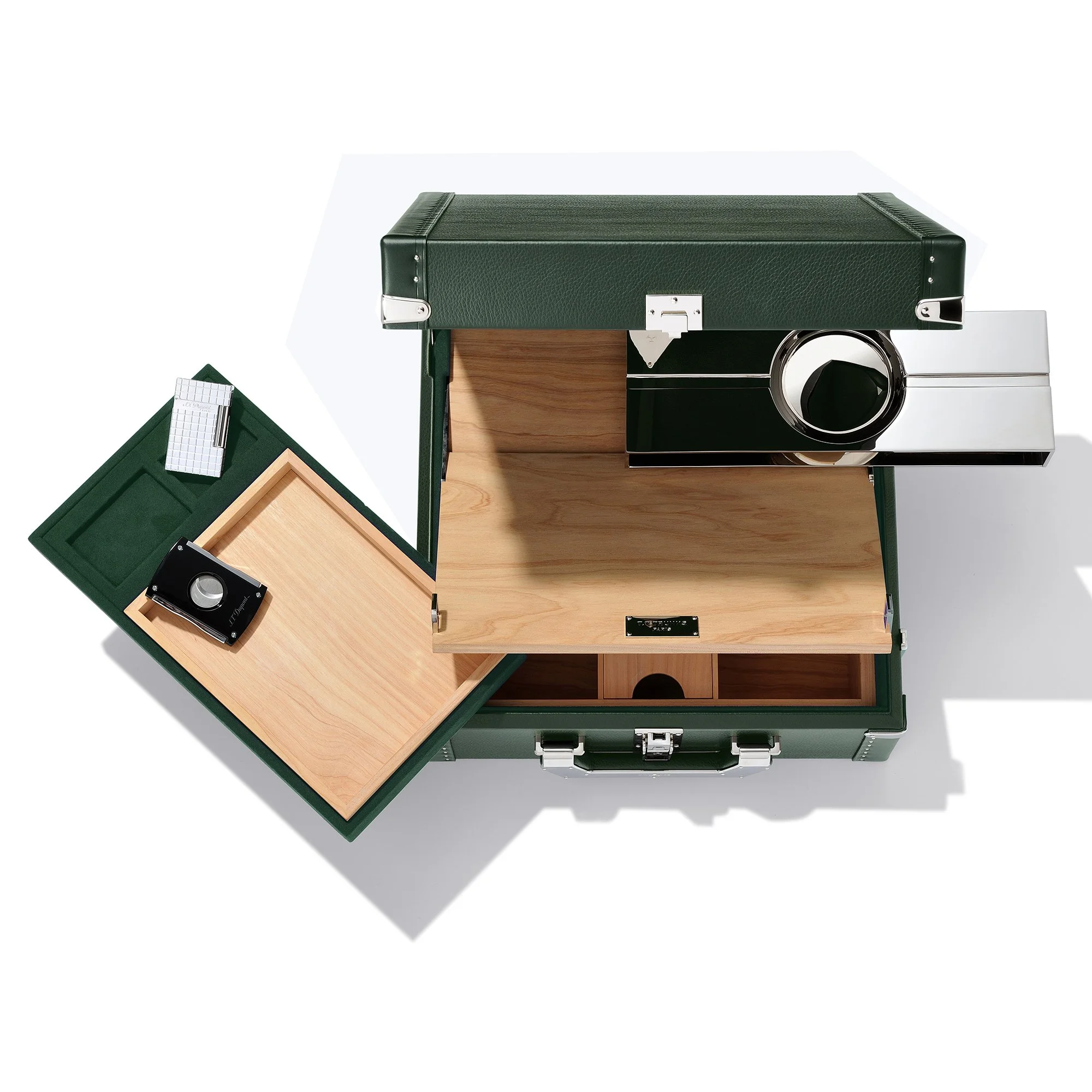
Forest
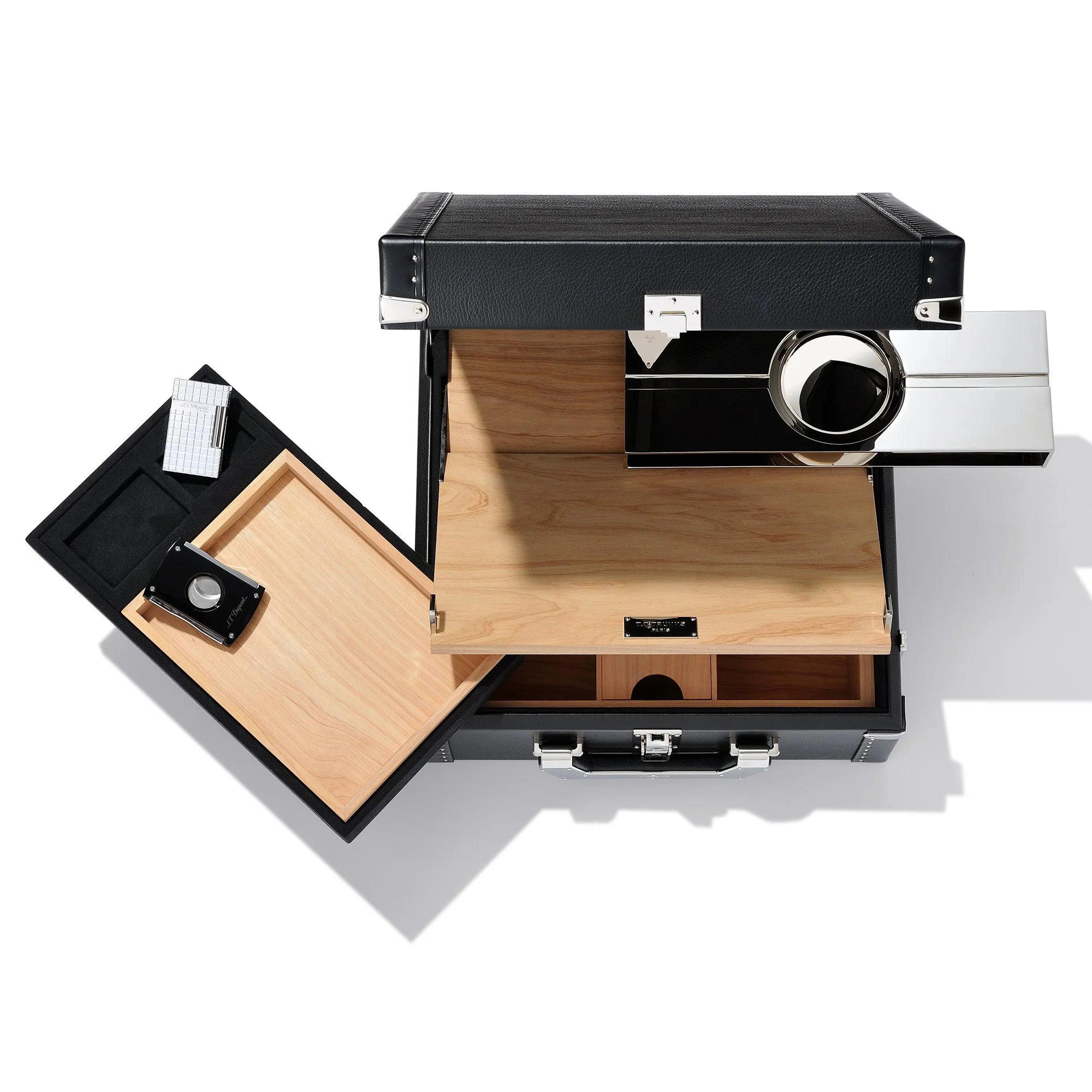
Noir
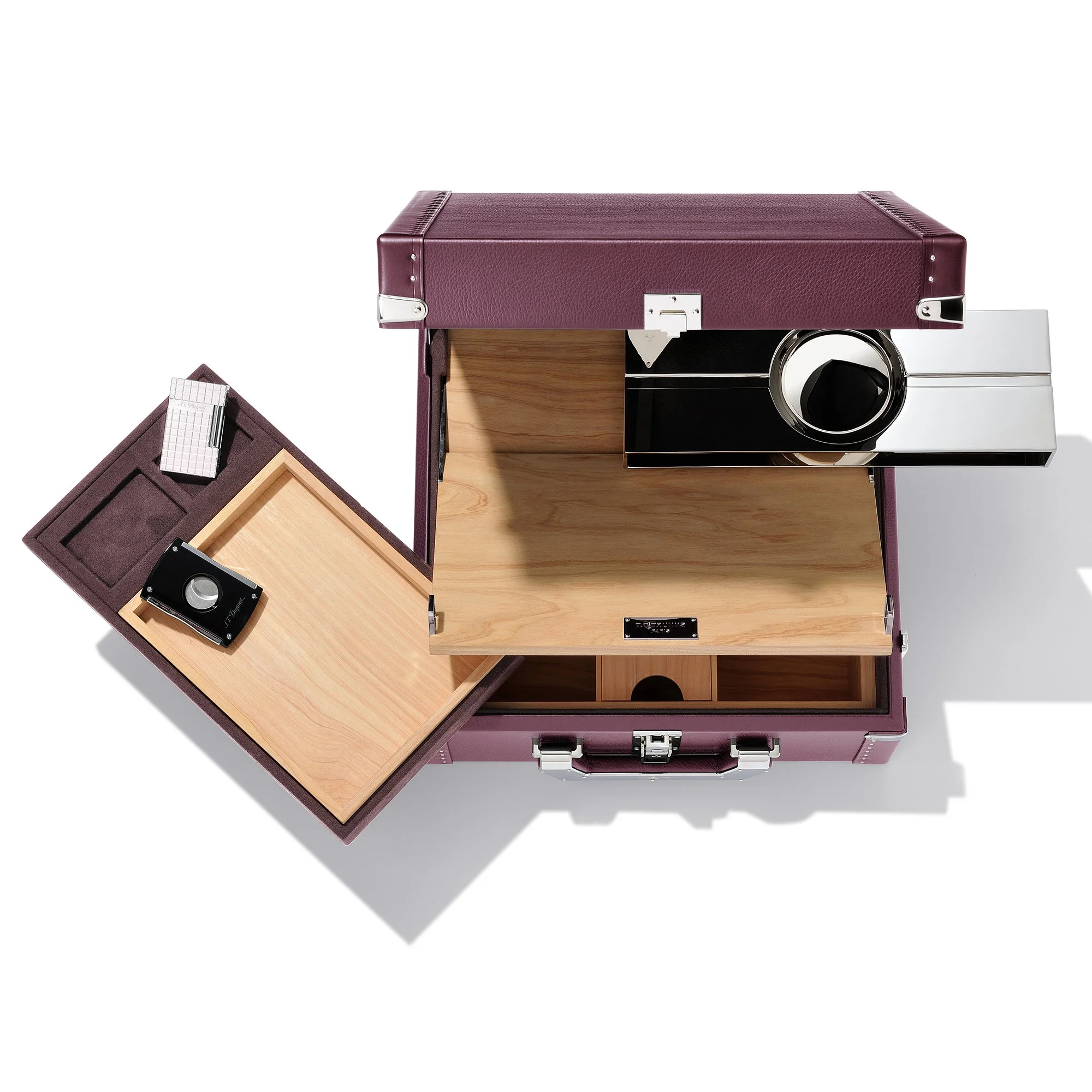
Prune

Bleu
Une pièce à votre image/ A piece in your likeness
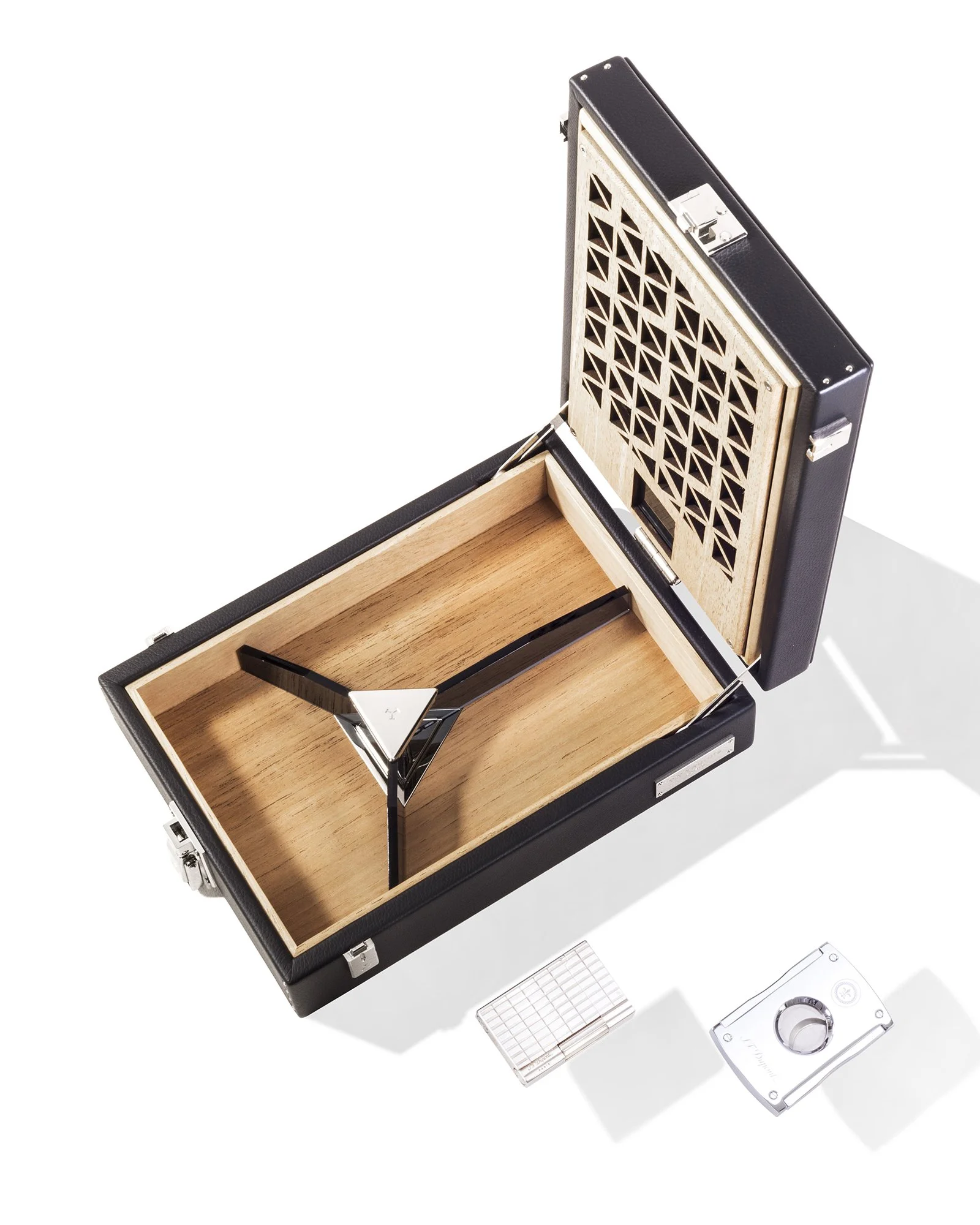

Donnons vie à votre vision/ Let's bring your vision to life